
- 1722 Utica Ave, Brooklyn, NY 11234 · P: 718-968-1600 · F: 718-968-1602 · Monday-Friday: 9a.m.-7p.m. · Saturday: 10a.m.-6p.m. · Sunday: Closed
COVID-19 Testing
- On the following page, you will select "Clinical Services" under "COVID-19 Test" and follow the instructions.
- Get Started
Schedule a Vaccine



Your full-service Pharmacy Experts
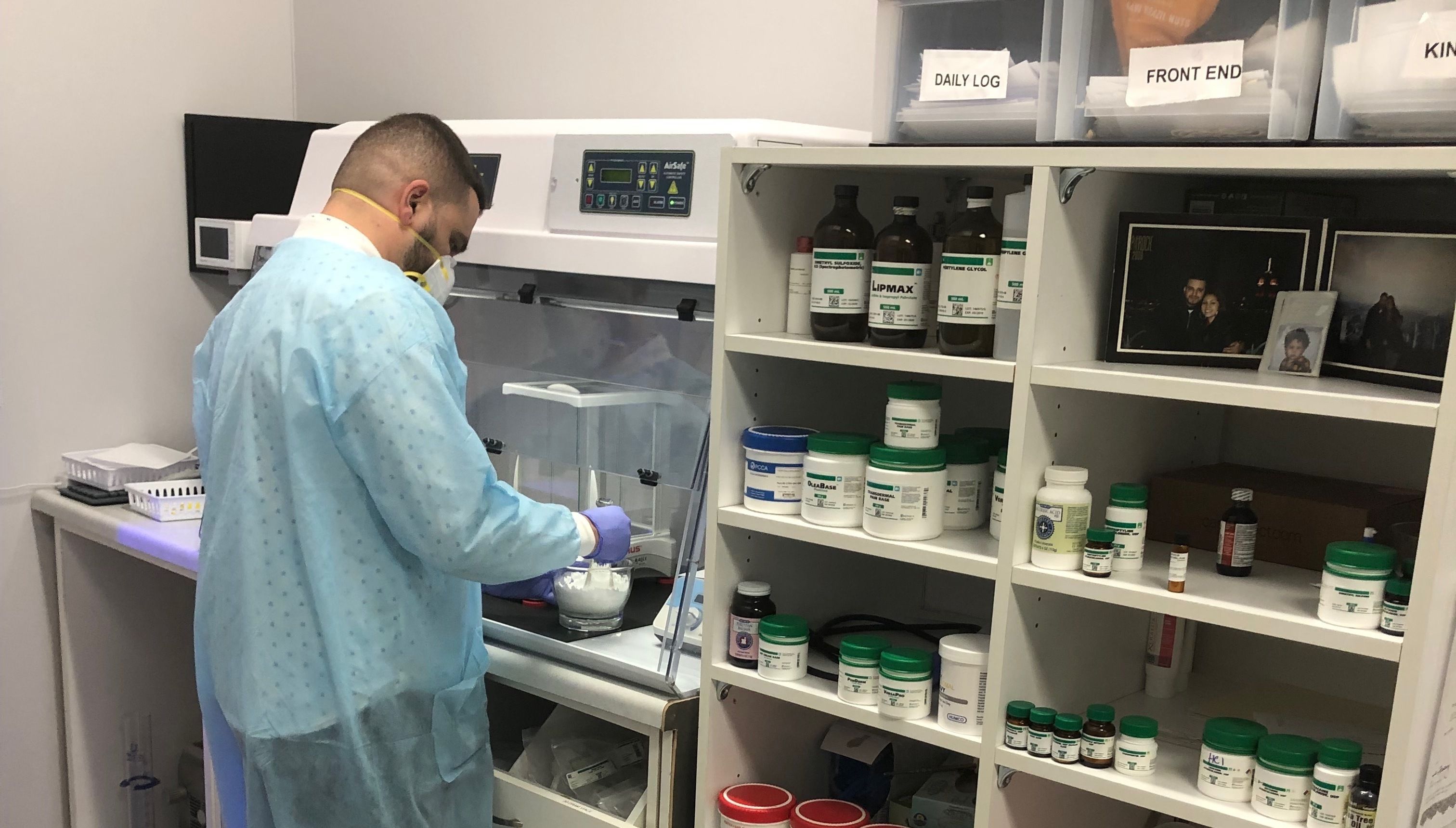
Here at Live Well Pharmacy, your family's health is our top priority and take the time to answer any questions. We offer traditional prescription filling, compounding, immunizations, medical supplies and much more.

DME
- We carry a wide selection of medical equipment, including ambulatory aids, nebulizers and bathroom equipment.

Compounding
- We offer a wide range of compounding services, including veterinary and hormone replacement therapy.

Immunizations
We offer a variety of vaccines to keep you and your family healthy. Contact us to learn more about our immunizations.
- Learn more

Multi-Dose Pill Packaging
We can offer you an easier and safer way to take your medications with multi-dose pill packaging.

Free Delivery
For your convenience, we offer free pick up and delivery of prescriptions and anything else we sell in our store!

Shop Online
Shop our products online, and have your items delivered directly to your door.
What Our Patients Love About Our Pharmacy

Scoliosis 101
Is your child at risk for scoliosis? more

Cold or Flu? How to Tell the Difference
Authored by: Michelle Barney, Pharm D , , Colds and the flu can cause many of the same symptoms. Both can make you cough, feel tired and have a stuffy or runny nose. However, there are some differences that may help you tell them apart. , , Is It a Cold or the Flu? , , Cold symptoms are usually milder and may develop slowly. Common symptoms include: , , , Runny or stuffy nose , Sneezing , Sore throat , Cough , , , Flu symptoms often come on more suddenly and can make you feel much sicker. Symptoms may include: , , , Fever or chills , Cough , Sore throat , Headache...
Authored by: Michelle Barney, Pharm D , , Colds and the flu can cause many of the same symptoms. Both can make you cough, feel tired and have a stuffy or runny nose. However, there are some differences that may help you tell them apart. , , Is It a Cold or the Flu? , , Cold symptoms are usually milder and may develop slowly. Common symptoms include: , , , Runny or stuffy nose , Sneezing , Sore throat , Cough , , , Flu symptoms often come on more suddenly and can make you feel much sicker. Symptoms may include: , , , Fever or chills , Cough , Sore throat , Headache...
Authored by: Michelle Barney, Pharm D , , Colds and the flu can cause many of the same symptoms. Both can make you cough, feel tired and have a stuffy or runny nose. However, there are some differences that may help you tell them apart. , , Is It a Cold or the Flu? , , Cold symptoms are usually milder and may develop slowly. Common symptoms include: , , , Runny or stuffy nose , Sneezing , Sore throat , Cough , , , Flu symptoms often come on more suddenly and can make you feel much sicker. Symptoms may include: , , , Fever or chills , Cough , Sore throat , Headache...
Authored by: Michelle Barney, Pharm D , , Colds and the flu can cause many of the same symptoms. Both can make you cough, feel tired and have a stuffy or runny nose. However, there are some differences that may help you tell them apart. , , Is It a Cold or the Flu? , , Cold symptoms are usually milder and may develop slowly. Common symptoms include: , , , Runny or stuffy nose , Sneezing , Sore throat , Cough , , , Flu symptoms often come on more suddenly and can make you feel much sicker. Symptoms may include: , , , Fever or chills , Cough , Sore throat , Headache...
Authored by: Michelle Barney, Pharm D , , Colds and the flu can cause many of the same symptoms. Both can make you cough, feel tired and have a stuffy or runny nose. However, there are some differences that may help you tell them apart. , , Is It a Cold or the Flu? , , Cold symptoms are usually milder and may develop slowly. Common symptoms include: , , , Runny or stuffy nose , Sneezing , Sore throat , Cough , , , Flu symptoms often come on more suddenly and can make you feel much sicker. Symptoms may include: , , , Fever or chills , Cough , Sore throat , Headache...
Authored by: Michelle Barney, Pharm D , , Colds and the flu can cause many of the same symptoms. Both can make you cough, feel tired and have a stuffy or runny nose. However, there are some differences that may help you tell them apart. , , Is It a Cold or the Flu? , , Cold symptoms are usually milder and may develop slowly. Common symptoms include: , , , Runny or stuffy nose , Sneezing , Sore throat , Cough , , , Flu symptoms often come on more suddenly and can make you feel much sicker. Symptoms may include: , , , Fever or chills , Cough , Sore throat , Headache...
Authored by: Michelle Barney, Pharm D , , Colds and the flu can cause many of the same symptoms. Both can make you cough, feel tired and have a stuffy or runny nose. However, there are some differences that may help you tell them apart. , , Is It a Cold or the Flu? , , Cold symptoms are usually milder and may develop slowly. Common symptoms include: , , , Runny or stuffy nose , Sneezing , Sore throat , Cough , , , Flu symptoms often come on more suddenly and can make you feel much sicker. Symptoms may include: , , , Fever or chills , Cough , Sore throat , Headache...
Authored by: Michelle Barney, Pharm D , , Colds and the flu can cause many of the same symptoms. Both can make you cough, feel tired and have a stuffy or runny nose. However, there are some differences that may help you tell them apart. , , Is It a Cold or the Flu? , , Cold symptoms are usually milder and may develop slowly. Common symptoms include: , , , Runny or stuffy nose , Sneezing , Sore throat , Cough , , , Flu symptoms often come on more suddenly and can make you feel much sicker. Symptoms may include: , , , Fever or chills , Cough , Sore throat , Headache...
Authored by: Michelle Barney, Pharm D , , Colds and the flu can cause many of the same symptoms. Both can make you cough, feel tired and have a stuffy or runny nose. However, there are some differences that may help you tell them apart. , , Is It a Cold or the Flu? , , Cold symptoms are usually milder and may develop slowly. Common symptoms include: , , , Runny or stuffy nose , Sneezing , Sore throat , Cough , , , Flu symptoms often come on more suddenly and can make you feel much sicker. Symptoms may include: , , , Fever or chills , Cough , Sore throat , Headache...
Authored by: Michelle Barney, Pharm D , , Colds and the flu can cause many of the same symptoms. Both can make you cough, feel tired and have a stuffy or runny nose. However, there are some differences that may help you tell them apart. , , Is It a Cold or the Flu? , , Cold symptoms are usually milder and may develop slowly. Common symptoms include: , , , Runny or stuffy nose , Sneezing , Sore throat , Cough , , , Flu symptoms often come on more suddenly and can make you feel much sicker. Symptoms may include: , , , Fever or chills , Cough , Sore throat , Headache...
Authored by: Michelle Barney, Pharm D , , Colds and the flu can cause many of the same symptoms. Both can make you cough, feel tired and have a stuffy or runny nose. However, there are some differences that may help you tell them apart. , , Is It a Cold or the Flu? , , Cold symptoms are usually milder and may develop slowly. Common symptoms include: , , , Runny or stuffy nose , Sneezing , Sore throat , Cough , , , Flu symptoms often come on more suddenly and can make you feel much sicker. Symptoms may include: , , , Fever or chills , Cough , Sore throat , Headache...
Authored by: Michelle Barney, Pharm D , , Colds and the flu can cause many of the same symptoms. Both can make you cough, feel tired and have a stuffy or runny nose. However, there are some differences that may help you tell them apart. , , Is It a Cold or the Flu? , , Cold symptoms are usually milder and may develop slowly. Common symptoms include: , , , Runny or stuffy nose , Sneezing , Sore throat , Cough , , , Flu symptoms often come on more suddenly and can make you feel much sicker. Symptoms may include: , , , Fever or chills , Cough , Sore throat , Headache...
Authored by: Michelle Barney, Pharm D , , Colds and the flu can cause many of the same symptoms. Both can make you cough, feel tired and have a stuffy or runny nose. However, there are some differences that may help you tell them apart. , , Is It a Cold or the Flu? , , Cold symptoms are usually milder and may develop slowly. Common symptoms include: , , , Runny or stuffy nose , Sneezing , Sore throat , Cough , , , Flu symptoms often come on more suddenly and can make you feel much sicker. Symptoms may include: , , , Fever or chills , Cough , Sore throat , Headache...
Authored by: Michelle Barney, Pharm D , , Colds and the flu can cause many of the same symptoms. Both can make you cough, feel tired and have a stuffy or runny nose. However, there are some differences that may help you tell them apart. , , Is It a Cold or the Flu? , , Cold symptoms are usually milder and may develop slowly. Common symptoms include: , , , Runny or stuffy nose , Sneezing , Sore throat , Cough , , , Flu symptoms often come on more suddenly and can make you feel much sicker. Symptoms may include: , , , Fever or chills , Cough , Sore throat , Headache...
Authored by: Michelle Barney, Pharm D , , Colds and the flu can cause many of the same symptoms. Both can make you cough, feel tired and have a stuffy or runny nose. However, there are some differences that may help you tell them apart. , , Is It a Cold or the Flu? , , Cold symptoms are usually milder and may develop slowly. Common symptoms include: , , , Runny or stuffy nose , Sneezing , Sore throat , Cough , , , Flu symptoms often come on more suddenly and can make you feel much sicker. Symptoms may include: , , , Fever or chills , Cough , Sore throat , Headache...
Authored by: Michelle Barney, Pharm D , , Colds and the flu can cause many of the same symptoms. Both can make you cough, feel tired and have a stuffy or runny nose. However, there are some differences that may help you tell them apart. , , Is It a Cold or the Flu? , , Cold symptoms are usually milder and may develop slowly. Common symptoms include: , , , Runny or stuffy nose , Sneezing , Sore throat , Cough , , , Flu symptoms often come on more suddenly and can make you feel much sicker. Symptoms may include: , , , Fever or chills , Cough , Sore throat , Headache...
Authored by: Michelle Barney, Pharm D , , Colds and the flu can cause many of the same symptoms. Both can make you cough, feel tired and have a stuffy or runny nose. However, there are some differences that may help you tell them apart. , , Is It a Cold or the Flu? , , Cold symptoms are usually milder and may develop slowly. Common symptoms include: , , , Runny or stuffy nose , Sneezing , Sore throat , Cough , , , Flu symptoms often come on more suddenly and can make you feel much sicker. Symptoms may include: , , , Fever or chills , Cough , Sore throat , Headache...
Authored by: Michelle Barney, Pharm D , , Colds and the flu can cause many of the same symptoms. Both can make you cough, feel tired and have a stuffy or runny nose. However, there are some differences that may help you tell them apart. , , Is It a Cold or the Flu? , , Cold symptoms are usually milder and may develop slowly. Common symptoms include: , , , Runny or stuffy nose , Sneezing , Sore throat , Cough , , , Flu symptoms often come on more suddenly and can make you feel much sicker. Symptoms may include: , , , Fever or chills , Cough , Sore throat , Headache...
Authored by: Michelle Barney, Pharm D , , Colds and the flu can cause many of the same symptoms. Both can make you cough, feel tired and have a stuffy or runny nose. However, there are some differences that may help you tell them apart. , , Is It a Cold or the Flu? , , Cold symptoms are usually milder and may develop slowly. Common symptoms include: , , , Runny or stuffy nose , Sneezing , Sore throat , Cough , , , Flu symptoms often come on more suddenly and can make you feel much sicker. Symptoms may include: , , , Fever or chills , Cough , Sore throat , Headache...
Authored by: Michelle Barney, Pharm D , , Colds and the flu can cause many of the same symptoms. Both can make you cough, feel tired and have a stuffy or runny nose. However, there are some differences that may help you tell them apart. , , Is It a Cold or the Flu? , , Cold symptoms are usually milder and may develop slowly. Common symptoms include: , , , Runny or stuffy nose , Sneezing , Sore throat , Cough , , , Flu symptoms often come on more suddenly and can make you feel much sicker. Symptoms may include: , , , Fever or chills , Cough , Sore throat , Headache...
Authored by: Michelle Barney, Pharm D , , Colds and the flu can cause many of the same symptoms. Both can make you cough, feel tired and have a stuffy or runny nose. However, there are some differences that may help you tell them apart. , , Is It a Cold or the Flu? , , Cold symptoms are usually milder and may develop slowly. Common symptoms include: , , , Runny or stuffy nose , Sneezing , Sore throat , Cough , , , Flu symptoms often come on more suddenly and can make you feel much sicker. Symptoms may include: , , , Fever or chills , Cough , Sore throat , Headache...
Authored by: Michelle Barney, Pharm D , , Colds and the flu can cause many of the same symptoms. Both can make you cough, feel tired and have a stuffy or runny nose. However, there are some differences that may help you tell them apart. , , Is It a Cold or the Flu? , , Cold symptoms are usually milder and may develop slowly. Common symptoms include: , , , Runny or stuffy nose , Sneezing , Sore throat , Cough , , , Flu symptoms often come on more suddenly and can make you feel much sicker. Symptoms may include: , , , Fever or chills , Cough , Sore throat , Headache... more

Osteoporosis and Bone Health: What You Should Know
Authored by: Michelle Barney, PharmD , , , Your bones help support your body and protect your organs. As you get older, your bones can become weaker. Osteoporosis is a condition that causes bones to become weak and more likely to break. , , Osteoporosis can affect anyone, but the risk increases with age and is especially common in women after menopause. , , What Are the Signs of Osteoporosis? , , Osteoporosis is sometimes called a "silent disease" because you may not know you have it until you break a bone. , , Bones commonly affected include the hip, spine and wrist. Osteoporosi...
Authored by: Michelle Barney, PharmD , , , Your bones help support your body and protect your organs. As you get older, your bones can become weaker. Osteoporosis is a condition that causes bones to become weak and more likely to break. , , Osteoporosis can affect anyone, but the risk increases with age and is especially common in women after menopause. , , What Are the Signs of Osteoporosis? , , Osteoporosis is sometimes called a "silent disease" because you may not know you have it until you break a bone. , , Bones commonly affected include the hip, spine and wrist. Osteoporosi...
Authored by: Michelle Barney, PharmD , , , Your bones help support your body and protect your organs. As you get older, your bones can become weaker. Osteoporosis is a condition that causes bones to become weak and more likely to break. , , Osteoporosis can affect anyone, but the risk increases with age and is especially common in women after menopause. , , What Are the Signs of Osteoporosis? , , Osteoporosis is sometimes called a "silent disease" because you may not know you have it until you break a bone. , , Bones commonly affected include the hip, spine and wrist. Osteoporosi...
Authored by: Michelle Barney, PharmD , , , Your bones help support your body and protect your organs. As you get older, your bones can become weaker. Osteoporosis is a condition that causes bones to become weak and more likely to break. , , Osteoporosis can affect anyone, but the risk increases with age and is especially common in women after menopause. , , What Are the Signs of Osteoporosis? , , Osteoporosis is sometimes called a "silent disease" because you may not know you have it until you break a bone. , , Bones commonly affected include the hip, spine and wrist. Osteoporosi...
Authored by: Michelle Barney, PharmD , , , Your bones help support your body and protect your organs. As you get older, your bones can become weaker. Osteoporosis is a condition that causes bones to become weak and more likely to break. , , Osteoporosis can affect anyone, but the risk increases with age and is especially common in women after menopause. , , What Are the Signs of Osteoporosis? , , Osteoporosis is sometimes called a "silent disease" because you may not know you have it until you break a bone. , , Bones commonly affected include the hip, spine and wrist. Osteoporosi...
Authored by: Michelle Barney, PharmD , , , Your bones help support your body and protect your organs. As you get older, your bones can become weaker. Osteoporosis is a condition that causes bones to become weak and more likely to break. , , Osteoporosis can affect anyone, but the risk increases with age and is especially common in women after menopause. , , What Are the Signs of Osteoporosis? , , Osteoporosis is sometimes called a "silent disease" because you may not know you have it until you break a bone. , , Bones commonly affected include the hip, spine and wrist. Osteoporosi...
Authored by: Michelle Barney, PharmD , , , Your bones help support your body and protect your organs. As you get older, your bones can become weaker. Osteoporosis is a condition that causes bones to become weak and more likely to break. , , Osteoporosis can affect anyone, but the risk increases with age and is especially common in women after menopause. , , What Are the Signs of Osteoporosis? , , Osteoporosis is sometimes called a "silent disease" because you may not know you have it until you break a bone. , , Bones commonly affected include the hip, spine and wrist. Osteoporosi...
Authored by: Michelle Barney, PharmD , , , Your bones help support your body and protect your organs. As you get older, your bones can become weaker. Osteoporosis is a condition that causes bones to become weak and more likely to break. , , Osteoporosis can affect anyone, but the risk increases with age and is especially common in women after menopause. , , What Are the Signs of Osteoporosis? , , Osteoporosis is sometimes called a "silent disease" because you may not know you have it until you break a bone. , , Bones commonly affected include the hip, spine and wrist. Osteoporosi...
Authored by: Michelle Barney, PharmD , , , Your bones help support your body and protect your organs. As you get older, your bones can become weaker. Osteoporosis is a condition that causes bones to become weak and more likely to break. , , Osteoporosis can affect anyone, but the risk increases with age and is especially common in women after menopause. , , What Are the Signs of Osteoporosis? , , Osteoporosis is sometimes called a "silent disease" because you may not know you have it until you break a bone. , , Bones commonly affected include the hip, spine and wrist. Osteoporosi...
Authored by: Michelle Barney, PharmD , , , Your bones help support your body and protect your organs. As you get older, your bones can become weaker. Osteoporosis is a condition that causes bones to become weak and more likely to break. , , Osteoporosis can affect anyone, but the risk increases with age and is especially common in women after menopause. , , What Are the Signs of Osteoporosis? , , Osteoporosis is sometimes called a "silent disease" because you may not know you have it until you break a bone. , , Bones commonly affected include the hip, spine and wrist. Osteoporosi...
Authored by: Michelle Barney, PharmD , , , Your bones help support your body and protect your organs. As you get older, your bones can become weaker. Osteoporosis is a condition that causes bones to become weak and more likely to break. , , Osteoporosis can affect anyone, but the risk increases with age and is especially common in women after menopause. , , What Are the Signs of Osteoporosis? , , Osteoporosis is sometimes called a "silent disease" because you may not know you have it until you break a bone. , , Bones commonly affected include the hip, spine and wrist. Osteoporosi...
Authored by: Michelle Barney, PharmD , , , Your bones help support your body and protect your organs. As you get older, your bones can become weaker. Osteoporosis is a condition that causes bones to become weak and more likely to break. , , Osteoporosis can affect anyone, but the risk increases with age and is especially common in women after menopause. , , What Are the Signs of Osteoporosis? , , Osteoporosis is sometimes called a "silent disease" because you may not know you have it until you break a bone. , , Bones commonly affected include the hip, spine and wrist. Osteoporosi... more

Feeling SAD? Here's What You Need to Know
When the temperature and the time change, a type of depression called seasonal affective disorder (SAD) sets in for many people. But you don't have to wait for the summer to stop feeling SAD. more

Common Cold Treatments
When you get a cold, you may find yourself rushing to your local pharmacy or grocery store to get some medications to treat it. Keep reading to see what you can do to get better faster. more

For American Heart Month, Say No to Heart Disease
Heart disease is the No. 1 cause of death in the United States. But you can say no to heart disease by learning about the condition and taking steps to improve your heart health. more

Probiotics 101
You've heard about the importance of having a "healthy gut." You might've even heard about probiotics. But what is the real story on these so-called "healthy" bacteria? more

Get in the Know About Keto
The keto diet is probably one of the most talked about diets. But what is the keto diet, exactly? more

Chickenpox FAQ
Diseases like chickenpox can bring up a lot of questions. The answers to some of the most common chickenpox-related questions are below. more
Tips to Prevent the Common Cold
Cold and flu season has arrived, but that doesn't have to mean you or your family will get sick. Outsmart germs with these simple strategies. more
Subscribe to our newsletter
Stay up to date with our pharmacy with exclusive content.